Understanding the Key Properties of Paper Bags
Before choosing a material, packaging buyers should understand the core properties that determine performance.
Strength and Load Capacity
Strength is one of the most important properties of paper bags. It determines how much weight the bag can carry without tearing.
Factors affecting strength include:
- Paper thickness (GSM)
- Fiber structure
- Bag construction method
- Reinforcement design
Materials such as kraft paper provide excellent tear resistance, making them ideal for heavier products.
Moisture and Grease Resistance
Some packaging applications require resistance to moisture, oil, or grease.
This property is especially important for:
- Food packaging
- Bakery products
- Frozen items
- Takeaway packaging
Wax-coated or treated paper materials provide superior moisture resistance compared to untreated paper.
Printability and Branding Performance
Another important property is how well the paper surface accepts ink and printing techniques.
High-quality paper bags support:
- Flexographic printing
- Offset printing
- Digital printing
- Custom branding graphics
Smooth surfaces improve print clarity, while kraft textures provide a natural, eco-friendly appearance.
Environmental Sustainability
Sustainability is now a major factor in packaging selection.
Key eco-related properties include:
- Recyclability
- Compostability
- Biodegradability
- Renewable raw materials
Many modern paper bags are designed to meet strict environmental regulations.
Properties of Kraft Paper Bags
Kraft paper bags are among the most widely used packaging materials due to their durability and natural appearance.
What Are Kraft Paper Bags?
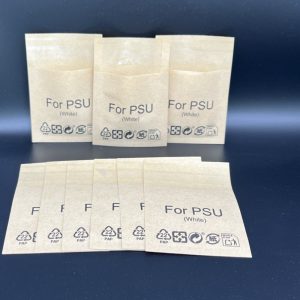
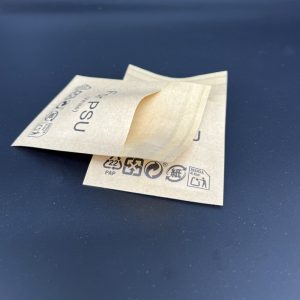
Kraft paper bags are made from chemical pulp processed through the kraft method, which produces strong and flexible fibers.
They are commonly used in:
- Retail packaging
- Grocery bags
- Apparel packaging
- Industrial packaging
- E-commerce shipping
Key Properties of Kraft Paper Bags
High Strength and Tear Resistance
Kraft paper is known for its superior strength compared to other paper types.
Advantages include:
- High load-bearing capacity
- Strong fiber structure
- Resistance to tearing
- Reliable performance during transportation
This makes kraft paper bags ideal for heavy or bulky items.
Natural and Eco-Friendly Appearance
Kraft paper has a natural brown color that communicates sustainability and minimalism.
This property makes it popular for:
- Eco-conscious brands
- Organic product packaging
- Premium retail packaging
It enhances brand perception while maintaining functionality.
Good Printability
Although kraft paper has a textured surface, it still supports excellent printing performance.
It allows:
- Logo printing
- Brand storytelling graphics
- Custom color printing
- Matte and natural visual effects
This combination of strength and branding makes kraft paper highly versatile.
Properties of Wax Paper Bags
Wax paper bags are specially designed to resist grease and moisture, making them highly suitable for food packaging.
What Are Wax Paper Bags?
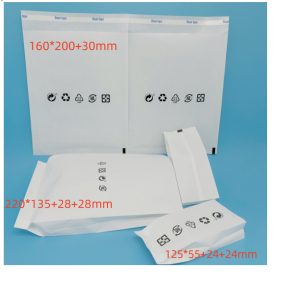
They are widely used in:
- clothing packaging
- food packaging
- Apparel packaging
- Gift wrapping
- Shoe packaging
Key Properties of Wax Paper Bags
Excellent Grease Resistance
One of the most important properties of wax paper bags is grease resistance.
Benefits include:
- Preventing oil leakage
- Maintaining product freshness
- Protecting outer packaging
- Improving customer experience
This makes them ideal for fried or oily foods.
Moisture Barrier Performance
Wax coating provides protection against humidity and moisture.
This helps:
- Extend product shelf life
- Maintain food texture
- Reduce sogginess
Moisture resistance is especially important in takeaway and delivery environments.
Smooth Surface Finish
Wax paper typically has a smooth surface that supports clean presentation.
Advantages include:
- Attractive packaging appearance
- Easy folding
- Lightweight handling
These properties improve packaging efficiency.
Properties of Tissue Paper Bags (Sewing or Apparel Packaging)
Tissue paper bags—often referred to as Sewing Paper Bags or Tissue Wrapping Bags—are lightweight and designed for delicate packaging.
What Are Tissue Paper Bags?
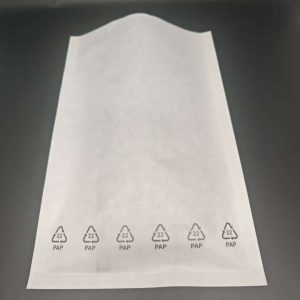
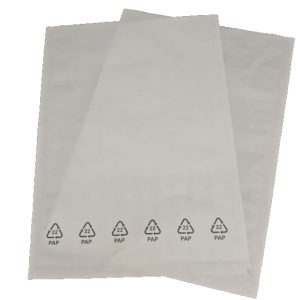
Tissue paper bags are made from soft, thin paper materials designed for wrapping lightweight or fragile items.
They are commonly used in:
- Apparel packaging
- Gift wrapping
- Shoe packaging
- Luxury product packaging
Key Properties of Tissue Paper Bags
Lightweight and Flexible
Tissue paper bags are extremely lightweight.
Key advantages:
- Easy to fold
- Suitable for delicate items
- Minimal shipping weight
- Cost-effective packaging
This property makes them suitable for large-volume packaging.
Soft Surface Protection
The soft texture of tissue paper helps protect sensitive surfaces.
It helps prevent:
- Scratches
- Surface damage
- Dust contamination
This is particularly useful in apparel and fashion industries.
Decorative and Branding Value
Tissue paper bags enhance visual presentation.
They support:
- Color printing
- Custom patterns
- Decorative wrapping
This makes them ideal for premium product presentation.
Properties of Biodegradable Paper Bags
Biodegradable paper bags are designed to reduce environmental impact and support sustainable packaging initiatives.
What Are Biodegradable Paper Bags?
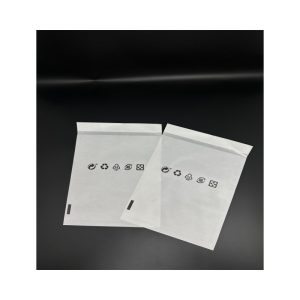
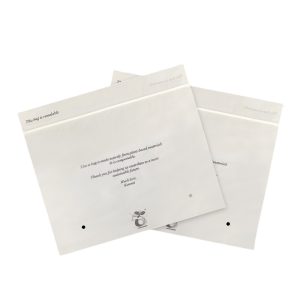
Biodegradable paper bags are made from eco-friendly materials that break down naturally in composting environments.
They are commonly used in:
- Sustainable retail packaging
- Food packaging
- Eco-conscious brands
- Government-regulated packaging markets
Key Properties of Biodegradable Paper Bags
Environmentally Friendly Decomposition
The most important property is biodegradability.
Benefits include:
- Reduced landfill waste
- Lower environmental impact
- Natural material breakdown
- Compliance with eco regulations
This supports global sustainability goals.
Renewable Raw Materials
Biodegradable paper bags are typically made from renewable plant-based fibers.
Advantages include:
- Sustainable sourcing
- Reduced carbon footprint
- Eco-friendly branding value
This property is highly valued by modern consumers.
Versatile Applications
Despite being eco-friendly, biodegradable paper bags remain functional.
They can be used for:
- Retail packaging
- Food packaging
- Shopping bags
- Promotional packaging
This makes them a practical replacement for traditional plastic packaging.
How to Choose the Right Paper Bag Material
Selecting the correct paper bag depends on product requirements and packaging goals.
Choose Kraft Paper Bags If You Need:
- High strength
- Heavy load support
- Durable transport packaging
- Natural eco-style branding
Best for:
- Grocery stores
- Retail packaging
- Industrial packaging
Choose Wax Paper Bags If You Need:
- Grease resistance
- Moisture protection
- Food safety performance
Best for:
- Apparel packaging
- Gift wrapping
- Shoe packaging
Choose Tissue Paper Bags If You Need:
- Lightweight wrapping
- Surface protection
- Decorative packaging
Best for:
- Apparel brands
- Gift packaging
- Luxury products
Choose Biodegradable Paper Bags If You Need:
- Eco-friendly packaging
- Sustainability compliance
- Brand environmental positioning
Best for:
- Eco-conscious brands
- Organic products
- Sustainable retail
Conclusion
Understanding the properties of paper bags is essential for making informed packaging decisions. Each material—kraft paper bags, wax paper bags, tissue paper bags, and biodegradable paper bags—offers unique performance advantages suited to specific applications.
By selecting the right material based on strength, moisture resistance, flexibility, and sustainability goals, packaging buyers can improve product protection, enhance branding, and support environmentally responsible practices.
FAQ: Properties of Paper Bags
What are the most important properties of paper bags?
The most important properties include:
- Strength
- Moisture resistance
- Printability
- Flexibility
- Environmental sustainability
These properties determine how well the bag performs in different packaging environments.
Are kraft paper bags stronger than other paper bags?
Yes, kraft paper bags are generally stronger than most other paper types due to their long fiber structure, which improves tear resistance and load capacity.
Are biodegradable paper bags suitable for food packaging?
Yes, many biodegradable paper bags are designed to meet food-grade safety standards, making them suitable for food packaging when properly certified.