what are poly bags
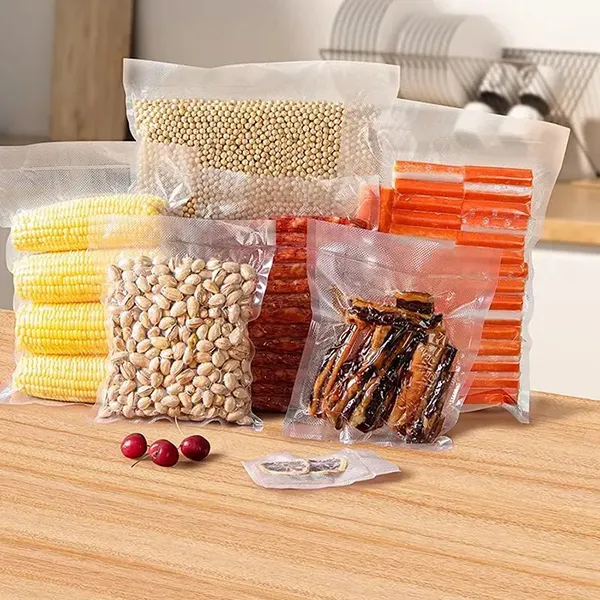
A poly bag, short for polyethylene bag, is a flexible plastic packaging bag made from polymer materials such as polyethylene (PE) or polypropylene (PP). These bags are lightweight, durable, and resistant to moisture, making them ideal for protecting products from dust, dirt, and humidity.
Poly bags are widely used because they can be produced in different sizes, thicknesses, and styles to suit various packaging needs. They are commonly heat-sealed, self-sealed, or resealable, depending on the application.



What Materials Are Poly Bags Made Of?
Understanding materials is essential when selecting the right poly bag. Different materials offer different levels of clarity, strength, and protection.
Polyethylene (PE)
Polyethylene is the most common material used for poly bags. It offers flexibility and good moisture resistance.
Common types include:
- LDPE (Low-Density Polyethylene): Soft, flexible, and transparent
- HDPE (High-Density Polyethylene): Stronger and more rigid
- LLDPE (Linear Low-Density Polyethylene): Offers excellent tensile strength
Best for:
Retail packaging, food storage, and protective packaging.
Polypropylene (PP)
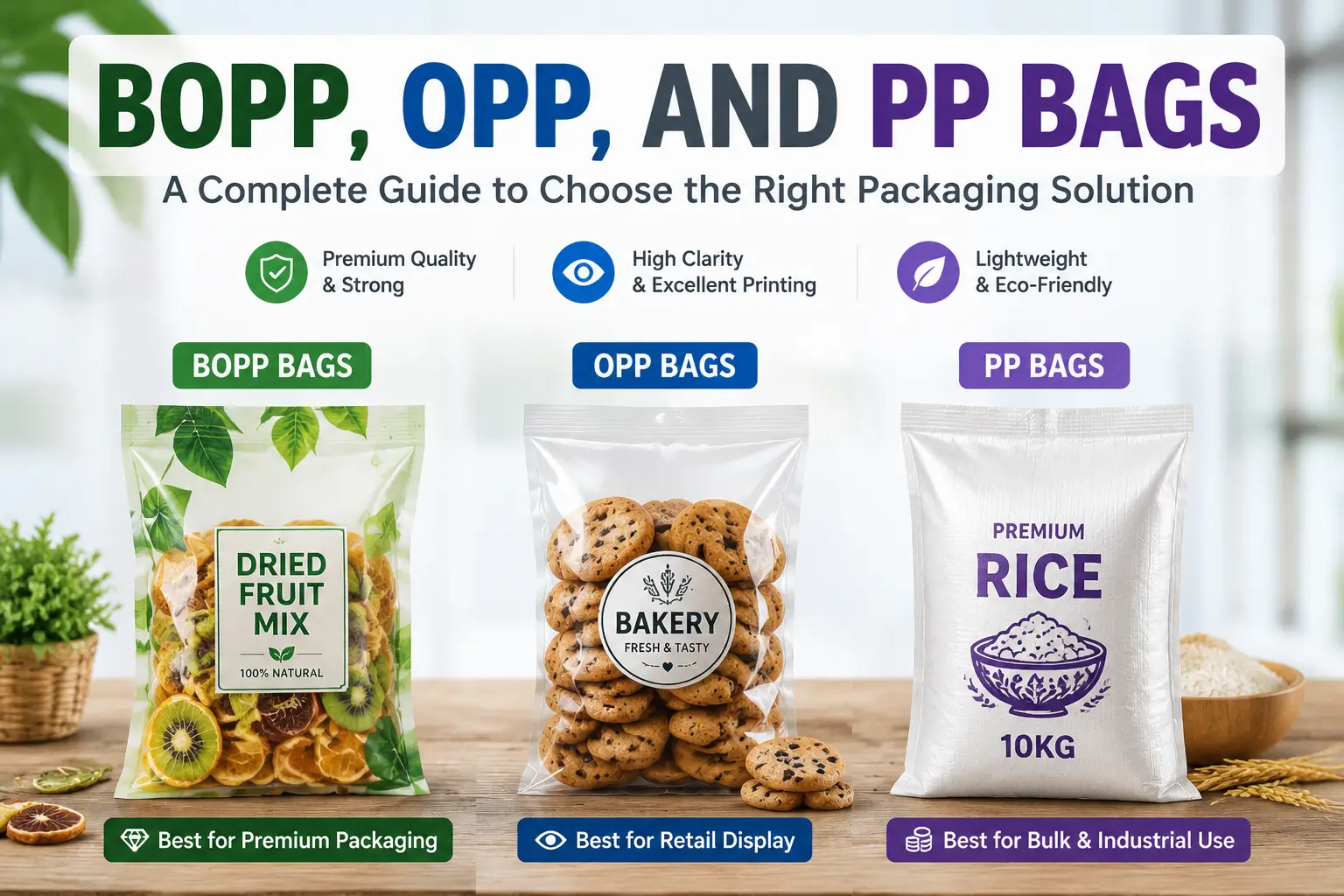
Polypropylene is known for its high clarity and crisp appearance. It is commonly used when presentation matters.
Types include:
- Opp packaging (Oriented Polypropylene)
- Cpp packaging (Cast Polypropylene)
- Bopp packaging (Biaxially Oriented Polypropylene)
Best for:
Apparel packaging, stationery, and display packaging.
Specialty Poly Materials
Some poly bags are made with specialty materials designed for enhanced performance, such as:
Anti-static poly bags
- Biodegradable poly bags
- Recyclable poly bags
- Heavy-duty industrial films
These materials meet specific industry requirements.
Common Types of Poly Bags
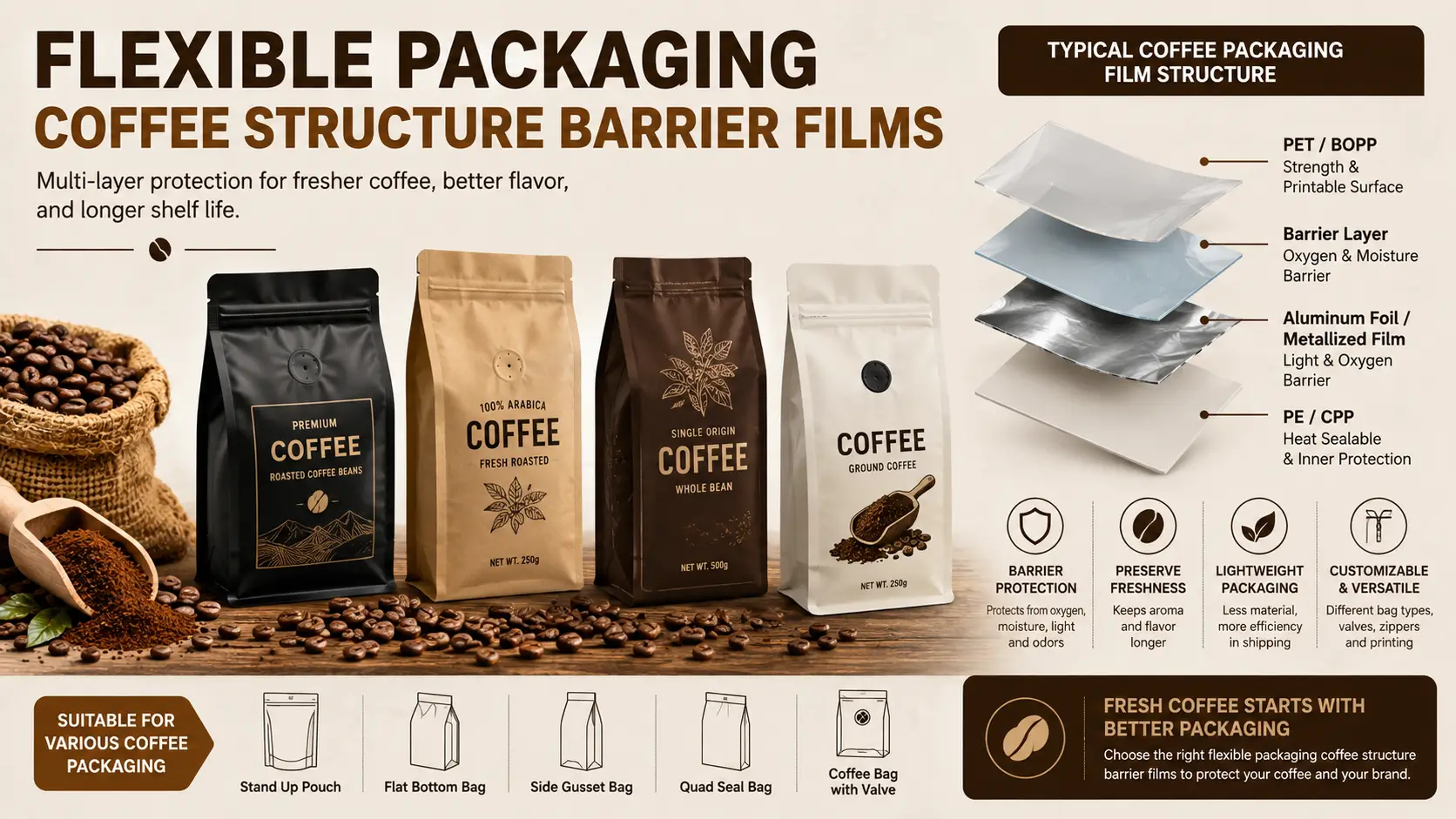
There are many types of poly bags, each designed for different packaging applications.
Flat Poly Bags
Flat poly bags are simple, open-ended bags without closures. They are commonly used for:
- General product packaging
- Protective storage
- Shipping preparation
They are typically sealed using heat-sealing equipment.
Self-adhesive poly bags feature a peel-and-seal strip that allows quick and secure closure without additional tools.
Common uses:
- Apparel packaging
- Retail packaging
- E-commerce fulfillment
These bags improve packaging speed and efficiency.
Zip Lock Poly Bags
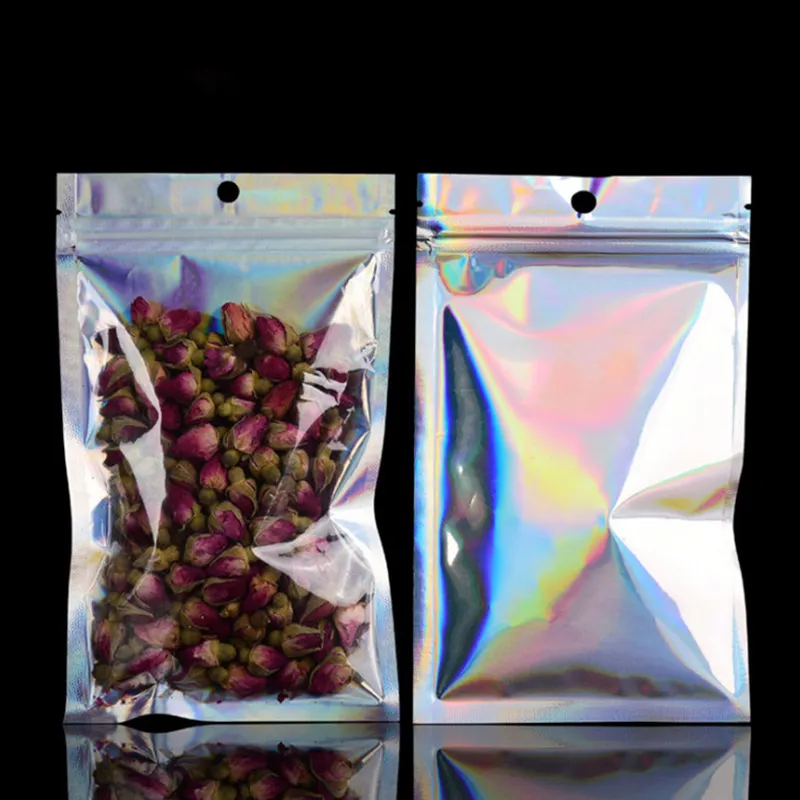
Zip lock poly bags include resealable closures, making them suitable for repeated opening and closing.
Typical applications:
- Small accessories
- Hardware items
- Food products
They offer convenience and product protection.
Gusseted Poly Bags
Gusseted poly bags have expandable sides or bottoms, allowing them to hold bulky or irregular-shaped items.
Best for:
- Bulk packaging
- Food storage
- Industrial products
They provide greater capacity compared to flat bags.
Stand-Up Poly Bags
Stand-up poly bags include bottom gussets that allow them to stand upright on shelves.
Common uses:
- Food packaging
- Pet food
- Consumer goods
They enhance product presentation and shelf visibility.
Key Benefits of Using Poly Bags
Poly bags remain popular due to their numerous practical advantages.
Lightweight and Cost-Effective
Poly bags are lighter than rigid packaging materials such as glass or metal containers. This reduces shipping costs and makes them a cost-effective packaging solution for businesses.
Moisture and Dust Protection
Most poly bags provide effective protection against moisture, dust, and contaminants. This makes them suitable for both retail and industrial applications.
Flexible and Customizable
Poly bags can be customized in many ways, including:
- Custom sizes
- Printed logos
- Thickness adjustments
- Closure options
Customization helps improve brand recognition and product presentation.
Durable and Tear-Resistant
High-quality poly bags offer strong resistance to tearing and puncturing. This durability helps protect products during shipping and handling.
Versatile Across Industries
Poly bags are used in multiple industries due to their flexibility and adaptability.
Common Uses of Poly Bags
Poly bags are widely used in many industries due to their practicality.
Apparel and Retail Packaging
Poly bags are commonly used to package clothing items such as:
- T-shirts
- Jackets
- Dresses
- Accessories
They protect garments from dust and moisture during storage and shipping.
Food Packaging
Food-grade poly bags are used to package various food products, including:
- Baked goods
- Frozen foods
- Produce
- Snacks
These bags help maintain hygiene and product freshness.
E-Commerce and Shipping
With the growth of online shopping, poly bags are frequently used for shipping lightweight items. They provide protective packaging while keeping shipping costs low.
Industrial and Hardware Packaging
Poly bags are used to package industrial parts such as:
- Screws
- Bolts
- Components
- Spare parts
They help organize and protect small items.
How to Choose the Right Poly Bag
Selecting the right poly bag depends on your specific product and packaging needs.
Consider Product Size and Weight
Choose a bag that fits your product properly without excessive empty space. Heavier products require thicker poly bags for better durability.
Select the Right Thickness
Poly bag thickness is typically measured in mils. Thicker bags provide greater strength and puncture resistance.
General guideline:
- 1–2 mil: Lightweight items
- 2–3 mil: Medium-weight products
- 3+ mil: Heavy-duty packaging
Choose the Correct Closure Type
Different closure options include:
- Heat seal
- Self-adhesive strip
- Zip lock
- heat sealable poly bags
Select the method that best suits your packaging workflow.
Check Regulatory Requirements
For food or medical products, ensure the poly bags meet required safety and food-grade standards.
Poly Bags vs Plastic Bags: Are They the Same?
Many people use the terms poly bag and plastic bag interchangeably, but there is a difference.
- Poly bag: Made specifically from polyethylene or polypropylene materials
- Plastic bag: A broader term that includes many plastic materials
In most packaging contexts, poly bags are a specialized type of plastic bag designed for packaging efficiency.
Are Poly Bags Recyclable or Eco-Friendly?
Many modern poly bags are recyclable, depending on local recycling programs. Some manufacturers also produce:
- Recyclable poly bags
- Reusable poly bags
- Biodegradable poly bags
Businesses are increasingly choosing eco-friendly packaging solutions to meet sustainability goals.
Why Poly Bags Are Essential in Modern Packaging
Poly bags remain one of the most reliable packaging solutions due to their affordability, durability, and versatility. Their adaptability makes them suitable for industries ranging from retail to manufacturing.
As packaging demands continue to grow, poly bags will remain a practical choice for businesses looking to improve product protection and operational efficiency.
Conclusion
A poly bag is a flexible and versatile packaging solution made from polyethylene or polypropylene materials. With multiple types, materials, and customization options available, poly bags can meet the needs of various industries and applications.
Understanding the types, materials, and uses of poly bags helps businesses choose the most effective packaging solution to protect products, improve logistics, and enhance brand presentation.