Why Food Powder Packaging Is Important
Powdered foods are particularly vulnerable to environmental factors. Even small amounts of moisture or oxygen can cause significant product deterioration.
Proper food powder packaging helps:
- Prevent moisture absorption
- Reduce oxygen exposure
- Maintain powder flowability
- Extend shelf life
- Preserve flavor and nutrition
- Ensure product safety
For manufacturers and brands, reliable powder packaging not only protects products but also reduces losses caused by spoilage and contamination.
Key Challenges in Packaging Food Powders
Packaging powdered foods requires careful attention to several technical challenges.
1. Moisture Absorption
Powders absorb moisture quickly, leading to:
- Clumping
- Hardening
- Reduced shelf life
Moisture-proof packaging is essential to maintain product quality.
2. Oxygen Exposure
Oxygen can cause:
- Oxidation
- Flavor loss
- Nutrient degradation
High-barrier packaging materials help minimize oxygen transmission.
3. Powder Leakage
Fine powders can easily escape through weak seals or poor packaging structures.
Strong sealing performance is necessary to prevent leakage during storage and transportation.
4. Contamination Risks
Powdered foods require protection against:
- Dust
- Microorganisms
- External contaminants
Safe packaging materials help maintain hygiene standards.
Best Materials for Food Powder Packaging
Selecting the right packaging material is essential for moisture-proof and oxygen-resistant protection.
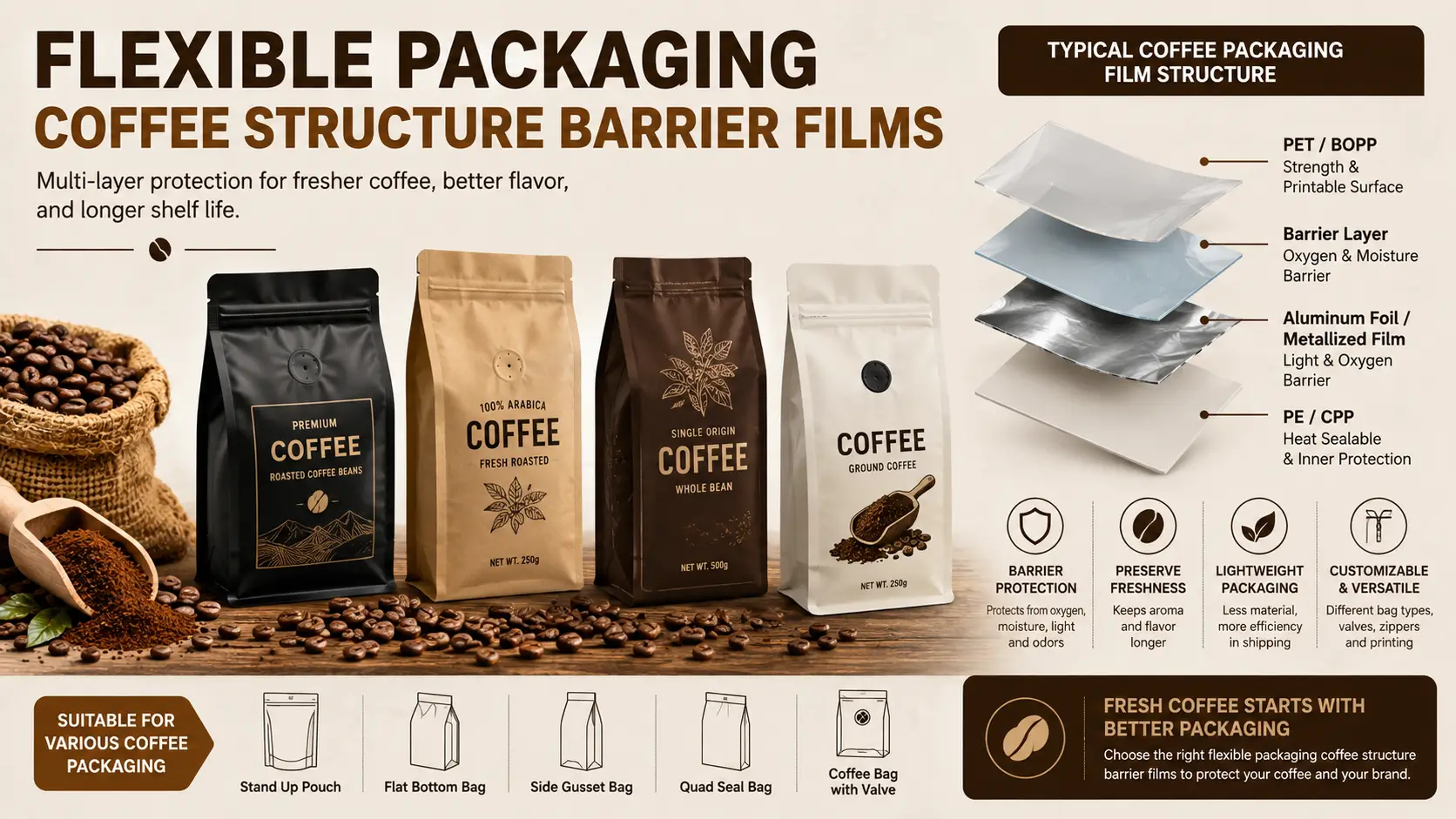
Aluminum Foil Laminated Packaging
Aluminum foil laminated structures are widely used for high-barrier food powder packaging.
Common structure:
- PET / AL / PE
- PET / VMPET / PE
Key benefits:
- Excellent moisture resistance
- Strong oxygen barrier
- Complete light protection
- Long shelf life support
Typical uses:
- Coffee powder
- Milk powder
- Protein powder
- Seasoning powders
Foil pouches are one of the most reliable solutions for sensitive powder products.
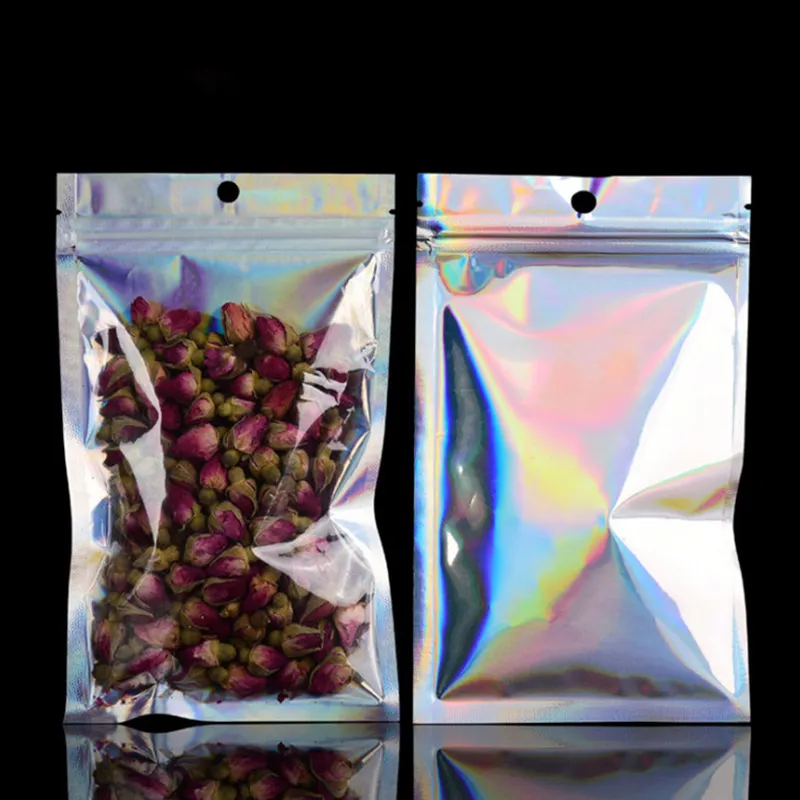
Metallized Film Packaging
Metallized films offer strong barrier performance at a lower cost than full aluminum foil.
Key advantages:
- Good moisture resistance
- Improved oxygen barrier
- Lightweight structure
- Cost-effective alternative
These materials are commonly used for snack powders and instant drink mixes.
High-Barrier Plastic Films
Materials such as Nylon (PA) and EVOH provide moderate to high barrier performance.
Benefits include:
- High puncture resistance
- Good flexibility
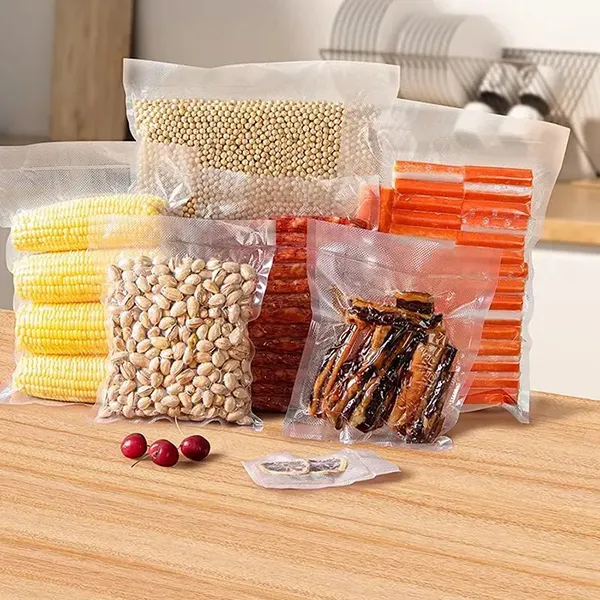
- Suitable for vacuum packaging
These films are widely used in multilayer powder packaging solutions.
Common Types of Food Powder Packaging
Food powders can be packed in different formats depending on product size, usage, and storage requirements.
Stand-Up Pouches
Stand-up pouches are one of the most popular packaging formats.
Features:
- Self-standing structure
- Resealable zipper options
- Easy storage
- Attractive retail display
These pouches are commonly used for retail powder products such as protein powder and coffee.
Flat Pouches
Flat pouches are simple and cost-effective.
Features:
- Lightweight
- Easy to stack
- Suitable for single-use packaging
Typical uses include seasoning powders and small sachets.
Sachet Packaging
Small sachets are widely used for single-serving powder products.
Applications include:
- Instant drink mixes
- Sugar packets
- Coffee sachets
They are convenient for consumers and reduce product waste.
Bulk Powder Packaging Bags
Bulk packaging is designed for large-volume powder storage and transportation.
Features:
- High-strength structure
- Large capacity
- Durable sealing
Used for industrial or wholesale powder distribution.
Important Features of Moisture-Proof Food Powder Packaging
High-quality powder packaging includes several essential features.
Strong Barrier Performance
Effective packaging must resist:
- Moisture vapor
- Oxygen
- Light
This protects powder stability over time.
Reliable Heat Sealing
Strong seals prevent:
- Powder leakage
- Air entry
- Product contamination
Seal integrity is critical in powder packaging.
Puncture Resistance
Durable materials prevent damage during shipping and handling.
This ensures safe transportation across long distances.
Food-Grade Safety
Packaging materials must comply with food safety standards to ensure safe product contact.
Applications of Food Powder Packaging
Food powder packaging is used across multiple industries.
Dairy Powder Packaging
Products include:
- Milk powder
- Infant formula
- Cream powder
These products require high moisture protection to maintain quality.
Protein and Nutritional Powder Packaging
Protein powders are sensitive to oxygen and moisture.
High-barrier packaging helps maintain nutritional value.
Coffee and Beverage Powder Packaging
Coffee powder and drink mixes require aroma protection and moisture resistance.
Barrier packaging helps preserve flavor and freshness.
Seasoning and Spice Powder Packaging
Spices and seasoning powders must remain dry and free-flowing.
Proper packaging prevents clumping and flavor loss.
Instant Food Powder Packaging
Instant soups, sauces, and ready-mix powders require reliable packaging for long shelf life.
How to Choose the Right Food Powder Packaging
Selecting the correct packaging depends on several technical factors.
1. Powder Sensitivity
Highly sensitive powders require stronger barrier structures.
Examples:
- Milk powder → High barrier
- Seasoning powder → Medium barrier
2. Shelf Life Requirements
Longer shelf life requires higher-performance materials.
Short shelf life products may use simpler packaging structures.
3. Packaging Size
Choose packaging formats based on product quantity:
- Small retail packs
- Medium consumer packaging
- Large bulk packaging
4. Transportation Conditions
Products shipped internationally require stronger moisture protection.
Humidity changes during shipping can affect powder quality.
Future Trends in Food Powder Packaging
The packaging industry continues to innovate with new technologies.
Key trends include:
- High-barrier flexible packaging
- Lightweight laminated structures
- Recyclable barrier materials
- Smart packaging solutions
- Sustainable packaging developments
Manufacturers adopting advanced packaging technologies gain competitive advantages in quality protection and market performance.
Conclusion
Food powder packaging is essential for maintaining product safety, freshness, and long shelf life. By using moisture-proof and high-barrier materials, manufacturers can protect powder products from environmental damage and ensure consistent product quality.
Choosing the right packaging solution depends on product sensitivity, shelf life requirements, and storage conditions. With the right materials and packaging formats, businesses can improve product reliability, reduce losses, and enhance customer satisfaction.