
What Is Anti Static Plastic?
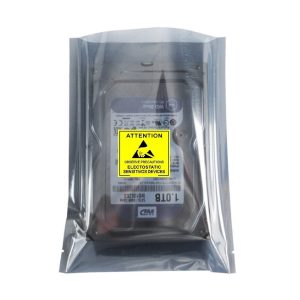
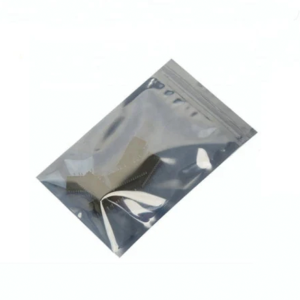
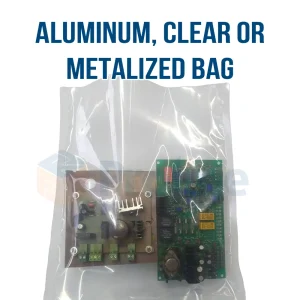
Anti static plastic is a specially engineered plastic material designed to reduce or prevent the buildup of static electricity on its surface. Unlike standard plastic materials, which can generate static charges through friction, anti static plastics are treated with additives that dissipate static charges safely.
Static electricity buildup can occur when plastic surfaces rub against other materials. This phenomenon is known as electrostatic discharge (ESD), which can damage electronic components such as circuit boards, microchips, and sensors.
Anti static plastic helps:
- Prevent static charge buildup
- Reduce electrostatic discharge risks
- Protect sensitive electronic components
- Improve product safety during handling and transport
How Does Anti Static Plastic Work?
Anti static plastic works by controlling the electrical resistance of the material surface. Additives are incorporated into the plastic during manufacturing to create a controlled pathway for static charges to dissipate gradually rather than accumulate.
There are typically two ways anti static performance is achieved:
Internal Additives
Internal anti static agents are mixed directly into the plastic resin during production. These additives migrate to the surface over time and form a thin conductive layer that helps release static charges.
Advantages:
- Long-lasting performance
- Consistent anti static protection
- Suitable for industrial applications
Surface Treatments
Some plastics are treated with anti static coatings applied to the surface. These coatings reduce friction and static buildup.
Advantages:
- Cost-effective solution
- Suitable for short-term use
- Easy to apply
However, surface treatments may wear off over time, especially under heavy use or exposure to humidity.
Common Materials Used in Anti Static Plastic
Different materials are used depending on the required performance level.
Polyethylene (PE)
Polyethylene is widely used due to its flexibility and durability.
Typical uses:
- Anti static bags
- Packaging films
- Protective covers
Benefits:
- Lightweight
- Moisture-resistant
- Cost-effective
Polypropylene (PP)
Polypropylene provides improved clarity and strength compared to polyethylene.
Typical uses:
- Electronic component packaging
- Rigid containers
- Industrial storage
Benefits:
- Good mechanical strength
- High temperature resistance
- Clear appearance
Polyethylene Terephthalate (PET)
PET is used when strength and durability are critical.
Typical uses:
- ESD protective packaging
- Precision equipment packaging
Benefits:
- Excellent mechanical properties
- High dimensional stability
- Strong resistance to wear
Conductive and Static-Dissipative Plastics
Some anti static plastics are engineered to provide higher levels of conductivity.
These include:
- Carbon-loaded plastics
- Metal-coated films
- Conductive polymers
These materials are often used in highly sensitive environments such as semiconductor manufacturing.
Common Types of Anti Static Plastic Products
Anti static plastic is used in many packaging and protective formats.
Anti Static Plastic Bags
Anti static plastic bags are one of the most common applications. They are used to package:
- Circuit boards
- Microchips
- Electronic components
These bags protect sensitive items during transportation and storage.
ESD Shielding Bags
ESD shielding bags provide enhanced protection by blocking external static fields.
Typical applications:
- Semiconductor packaging
- High-value electronics
- Computer hardware
They often feature metallic shielding layers for added safety.
Anti Static Plastic Films
Anti static films are used as protective wraps for electronic assemblies.
Common uses:
- Equipment covering
- Component wrapping
- Dust protection
They provide flexibility and easy handling.
Anti Static Trays and Containers
Rigid trays and containers made from anti static plastic are used in manufacturing environments.
Typical applications:
- Component sorting
- Assembly lines
- Industrial storage
They help maintain static-safe handling conditions.
Key Benefits of Using Anti Static Plastic
Businesses rely on anti static plastic because of its protective performance and reliability.
Prevents Electrostatic Damage
The primary benefit of anti static plastic is preventing electrostatic discharge damage. Even small static charges can destroy sensitive components, leading to financial losses.
Improves Product Safety
By reducing static buildup, anti static plastic ensures safer handling during:
- Packaging
- Transportation
- Assembly
This reduces the risk of product defects.
Enhances Packaging Reliability
Anti static plastic provides stable and consistent performance, making it suitable for demanding industrial environments.
Supports Long-Term Storage
Many anti static plastic materials maintain performance over extended periods, ensuring long-term protection of stored components.
Reduces Production Losses
Static-related failures can lead to costly production downtime. Using anti static plastic reduces defect rates and improves manufacturing efficiency.
Common Applications of Anti Static Plastic
Anti static plastic is used across multiple industries that require static control.
Electronics Manufacturing
This is the largest application sector.
Anti static plastic is used to package:
- Printed circuit boards (PCBs)
- Microprocessors
- Integrated circuits
- Sensors
These components are highly sensitive to static discharge.
Semiconductor Industry
Semiconductors require strict static control during manufacturing and packaging.
Anti static plastic helps:
- Maintain safe environments
- Protect delicate components
- Ensure product reliability
Automotive Electronics
Modern vehicles include many electronic systems.
Anti static plastic is used for:
- Sensors
- Control modules
- Navigation systems
It ensures safe transportation and storage.
Medical Equipment Packaging
Medical devices often contain sensitive electronics.
Anti static plastic protects:
- Diagnostic equipment
- Monitoring devices
- Electronic medical tools
This ensures reliability in critical environments.
How to Choose the Right Anti Static Plastic
Selecting the right anti static plastic requires careful consideration of several factors.
Sensitivity of the Product
Highly sensitive electronics require stronger ESD protection, such as shielding materials.
Environmental Conditions
Consider storage and transportation conditions such as:
- Humidity levels
- Temperature
- Handling frequency
These factors affect material performance.
Required Protection Level
There are different protection levels available:
- Anti static
- Static dissipative
- Conductive
Choose the level that matches your product requirements.
Packaging Format
Determine whether you need:
- Bags
- Films
- Trays
- Containers
Each format offers different advantages.
Anti Static vs Conductive Plastic: What’s the Difference?
Many people confuse anti static plastic with conductive plastic, but they serve different functions.
Anti static plastic:
- Prevents static buildup
- Does not conduct electricity
- Suitable for general ESD protection
Conductive plastic:
- Allows electricity to flow
- Provides higher-level protection
- Used for highly sensitive components
Understanding this difference helps select the appropriate material.
Why Anti Static Plastic Is Essential in Modern Packaging
With the rapid growth of electronics and smart devices, protecting components from static electricity is more important than ever. Even minor static discharge events can lead to equipment failure or data loss.
Anti static plastic provides a reliable solution that supports modern manufacturing, logistics, and storage systems.
Conclusion
Anti static plastic is an essential material designed to control static electricity and protect sensitive electronic components. With various materials, types, and applications available, it offers reliable protection across industries such as electronics, automotive, medical, and manufacturing.
By understanding how anti static plastic works and selecting the right type, businesses can reduce damage risks, improve product safety, and enhance overall packaging performance.