What Is heat sealable bags?
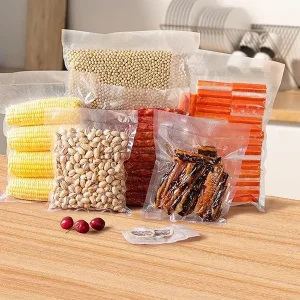
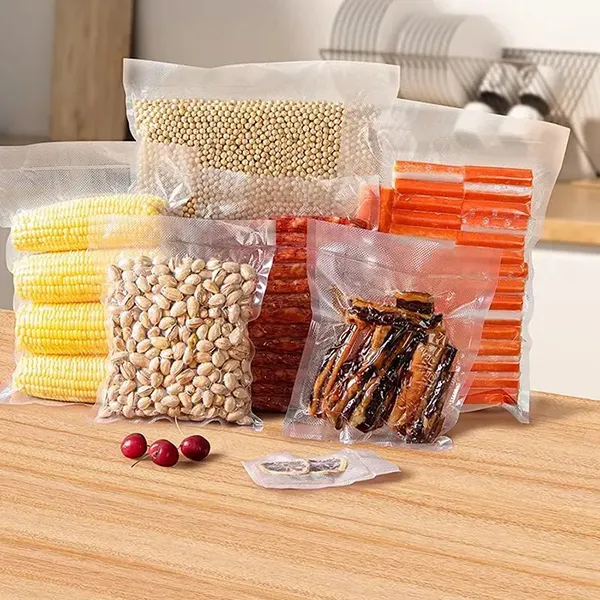
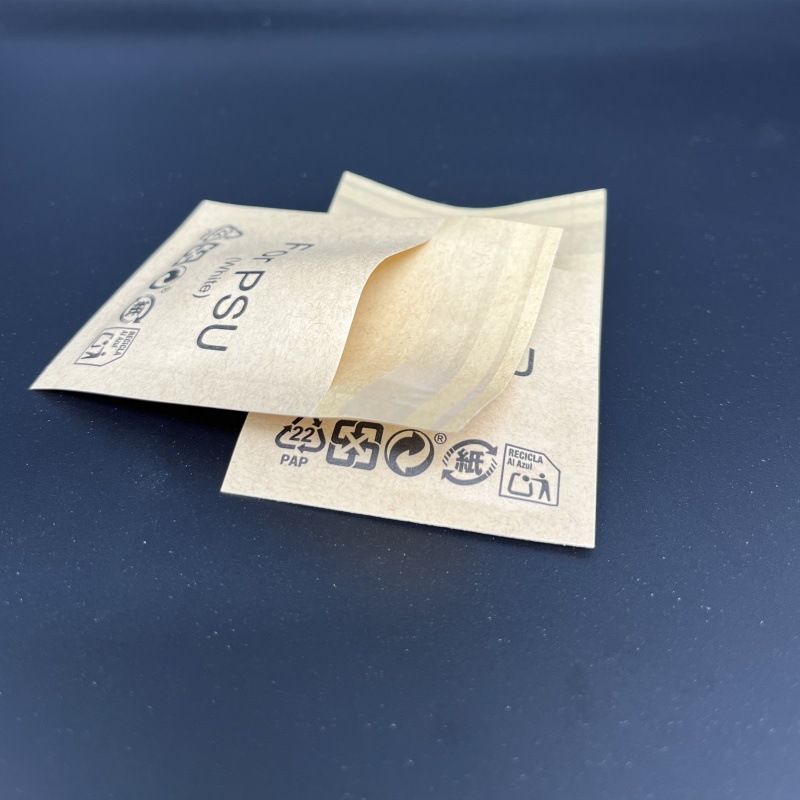
heat sealable bags refers to packaging materials made from plastic films or containers that are hermetically sealed to protect the contents from external factors such as air, moisture, dust, bacteria, and contamination. Common forms include vacuum-sealed bags, heat-sealed pouches, ziplock bags, shrink-wrapped packaging, and sealed plastic containers.
The sealing process can involve heat sealing, pressure sealing, adhesive sealing, or advanced technologies such as ultrasonic sealing, depending on the packaging requirements.
Key Benefits of Sealed Plastic Packaging
1. Superior Product Protection
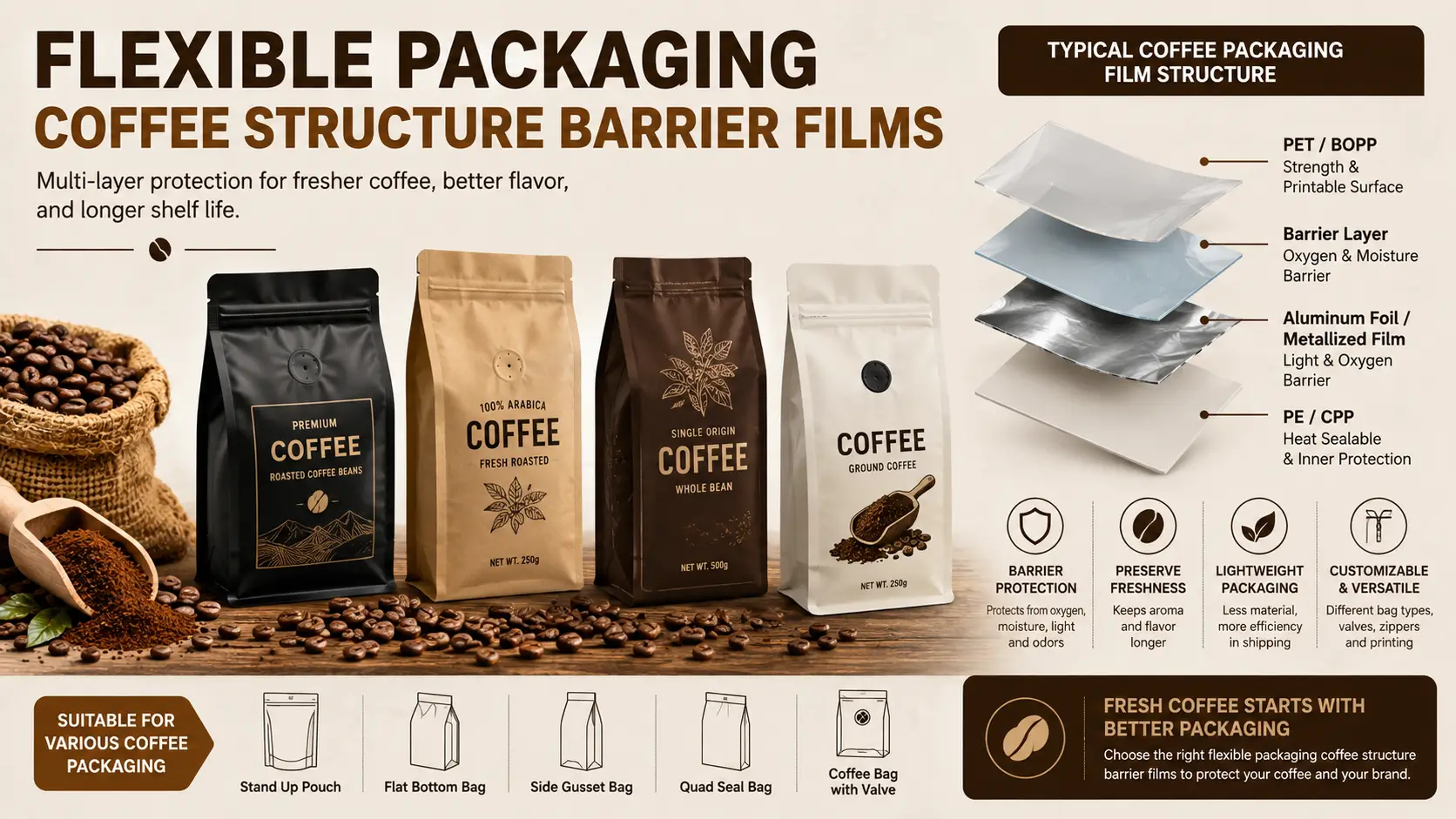
One of the biggest advantages of sealed plastic packaging is its ability to create a strong barrier against environmental threats. It helps protect products from moisture, oxygen, UV light, and physical damage during transportation and storage.
2. Extended Shelf Life
For food and pharmaceutical products, sealed plastic packaging plays a crucial role in preserving freshness. By limiting exposure to air and bacteria, it significantly slows down oxidation and spoilage, helping products stay fresh for longer.
3. Enhanced Hygiene and Safety
Sealed packaging minimizes direct contact with external contaminants, making it an ideal choice for industries that require high hygiene standards, such as medical supplies, cosmetics, and food packaging.
4. Cost-Effective and Lightweight
Compared to glass or metal packaging, sealed plastic is lightweight and cost-efficient. This reduces shipping costs and improves handling efficiency, especially for bulk distribution and e-commerce.
5. Versatile Design Options
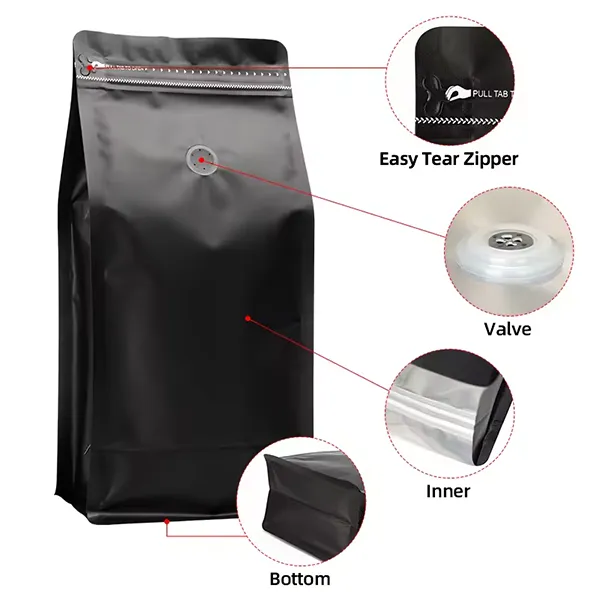
Heat Sealable Bags is highly customizable. It can be produced in various shapes, sizes, thicknesses, and finishes, and can include features like resealable zippers, tear notches, spouts, and clear windows for better user experience.
Common Applications of Heat Sealable Bags
Sealed plastic packaging is used across many industries, including:
-
Food packaging: Snacks, frozen foods, coffee, meat, seafood, bakery items
-
Pharmaceuticals: Tablets, capsules, medical devices, supplements
-
Cosmetics and personal care: Creams, masks, sample sachets
-
Retail and e-commerce: Clothing, accessories, electronics components
-
Industrial products: Hardware, chemicals, spare parts
Its flexibility makes it suitable for both consumer-facing products and professional industrial use.
Types of Heat Sealable Bags
Different products require different sealing methods and materials. Some of the most popular types include:
-
Vacuum sealed packaging – Removes air to maximize freshness
-
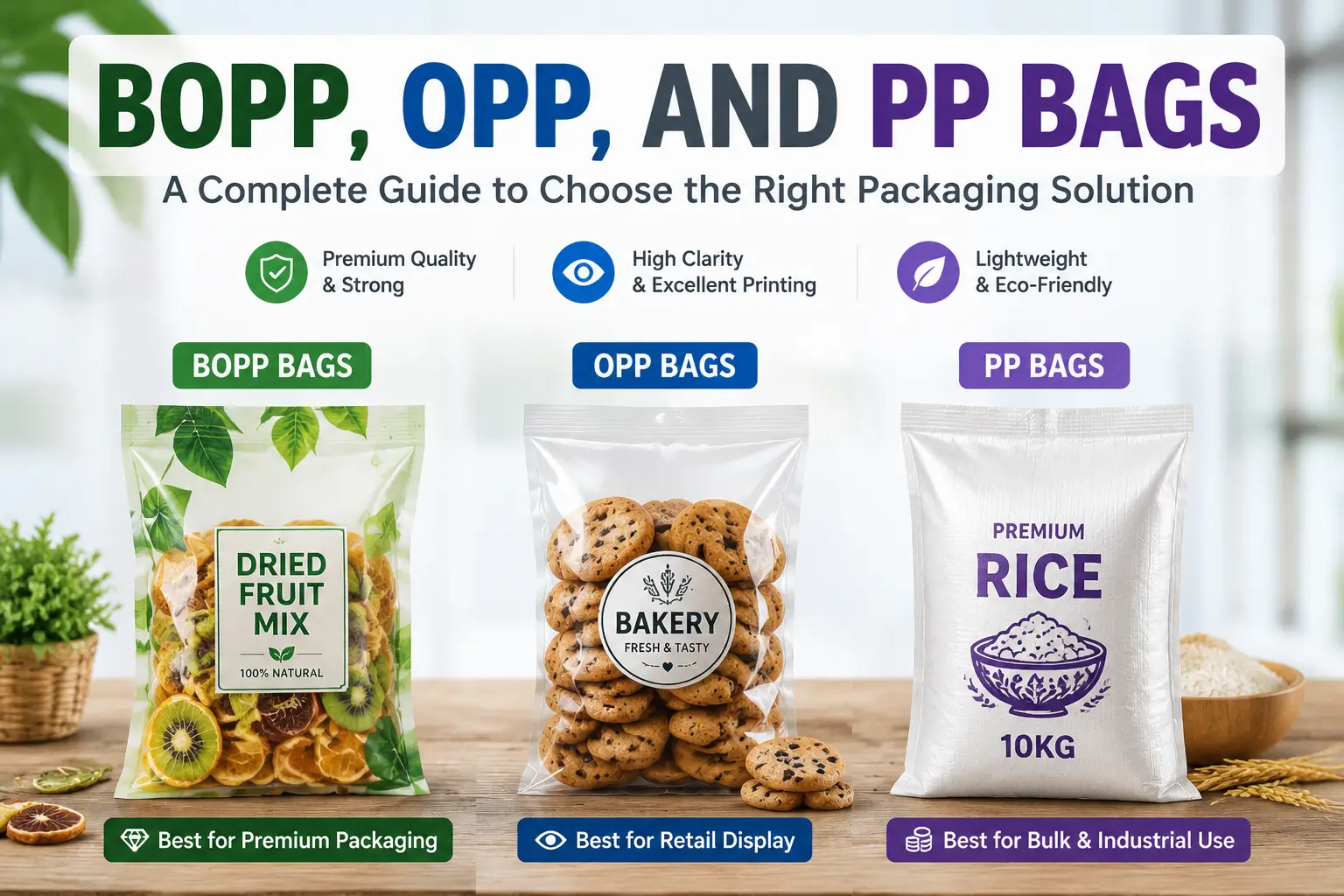
Heat sealed bags and pouches – Common for food and retail packaging
-
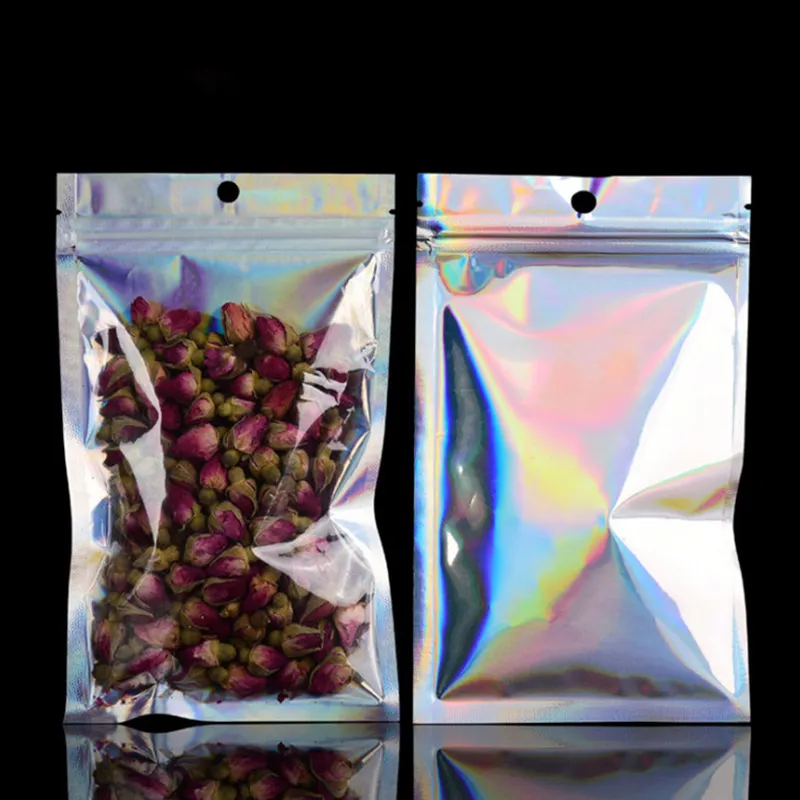
Resealable ziplock bags – Convenient for repeated use
-
Stand-up pouches with seals – Ideal for branding and shelf display
-
Shrink-sealed packaging – Provides tight protection for grouped products
Choosing the right type depends on your product’s storage conditions, shelf-life requirements, and branding goals.
How to Choose the Right Heat Sealable Bags
When selecting sealed plastic packaging for your business, consider the following factors:
-
Product type: Is it liquid, solid, fragile, or perishable?
-
Barrier requirements: Does it need protection from moisture, oxygen, or light?
-
Sealing strength: Will it face long-distance shipping or heavy handling?
-
Sustainability goals: Can you use recyclable or biodegradable plastic options?
-
Brand presentation: Do you need custom printing or premium finishes?
Working with an experienced packaging supplier can help you find the most efficient and cost-effective solution.
The Future of Heat Sealable Bags
As sustainability becomes increasingly important, the sealed plastic packaging industry is evolving. Many manufacturers now offer recyclable, biodegradable, and eco-friendly sealed plastic materials without compromising performance. Innovations such as mono-material structures and compostable films are shaping the future of responsible packaging.
Conclusion
Heat Sealable Bags is an essential solution for modern businesses seeking reliable protection, improved freshness, and professional presentation. With its versatility, affordability, and performance, it continues to be a top choice across industries. By choosing the right sealed plastic packaging, companies can enhance product quality, build customer trust, and gain a competitive edge in the market.