In today’s competitive packaging industry, material choice plays a critical role in product protection, branding, and customer experience. Among the most widely used plastic packaging materials are BOPP, PP, and OPP bags. While they may look similar, each has unique properties that make it suitable for different applications.
This guide will help you understand their differences, advantages, and best use cases so you can choose the right packaging for your business.
What Are PP Bags?
PP (Polypropylene) bags are made from polypropylene resin, a widely used thermoplastic polymer known for its strength and durability.
Key Features of PP Bags:
- High tensile strength and durability
- Lightweight yet strong
- Resistant to moisture and chemicals
- Cost-effective for bulk packaging
- Available in both woven and non-woven forms
Common Applications:
- Grocery and retail packaging
- Garment and textile packaging
- Food packaging (dry goods)
- Industrial product storage
PP bags are widely used due to their affordability and versatility, making them a staple in both retail and industrial packaging.
What Are OPP Bags?
OPP (Oriented Polypropylene) bags are made by stretching polypropylene film in one direction to improve clarity and strength.
Key Features of OPP Bags:
- Excellent transparency and gloss
- Good moisture resistance
- Strong rigidity and crisp appearance
- Ideal for product display packaging
Common Applications:
- Bakery products and snacks
- Stationery packaging
- Apparel and accessories
- Gift packaging
OPP bags are especially popular in retail because they enhance product visibility while keeping items protected and neatly presented.
What Are BOPP Bags?
BOPP (Biaxially Oriented Polypropylene) bags are an upgraded version of OPP bags. The film is stretched in both machine and transverse directions, significantly improving performance.
Key Features of BOPP Bags:
- Superior clarity and printability
- High strength and puncture resistance
- Excellent moisture and vapor barrier
- Suitable for high-quality printing and branding
- Long-lasting durability
Common Applications:
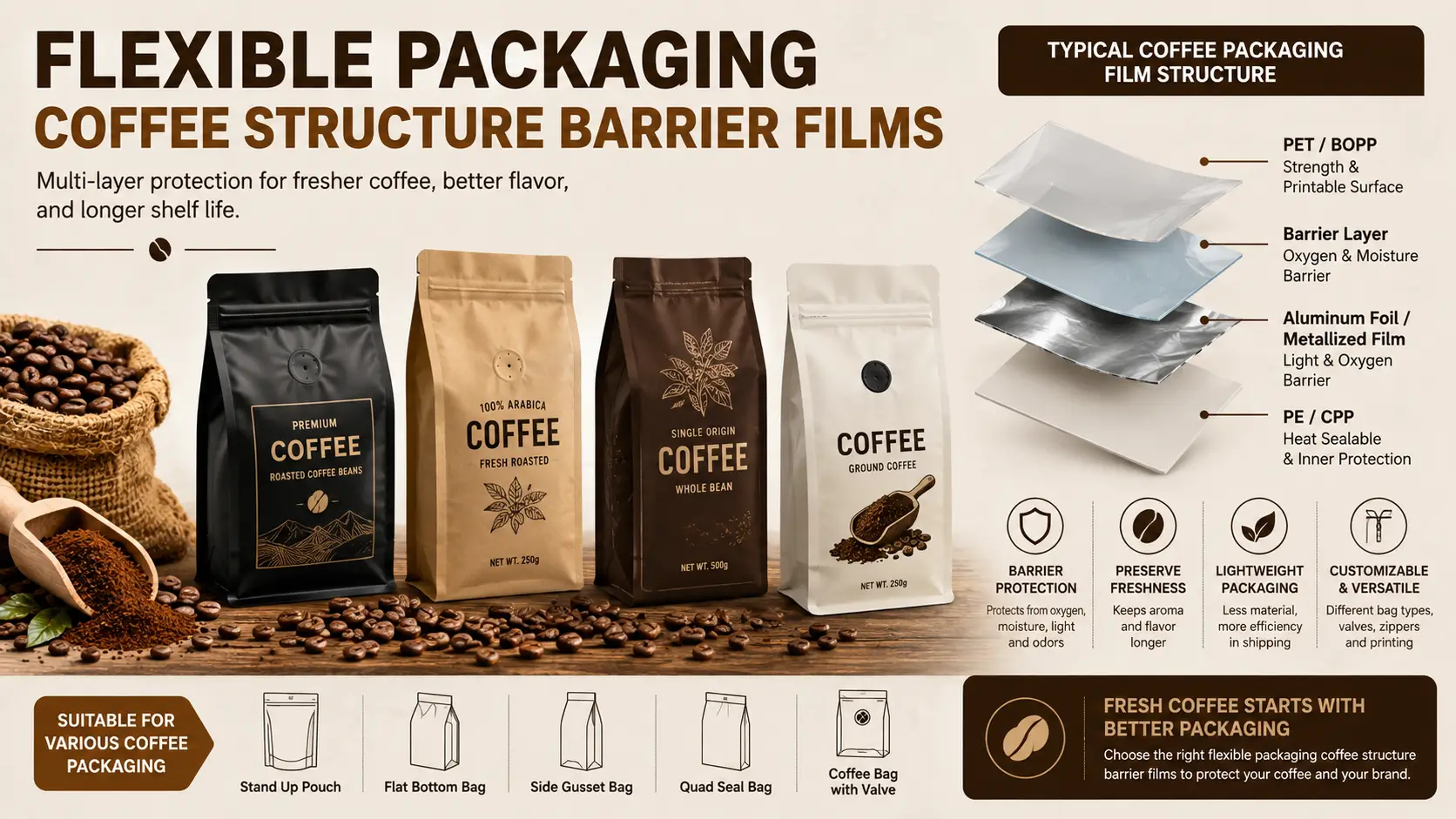
- Premium food packaging (coffee, snacks, dried fruit)
- Pet food packaging
- Cosmetic packaging
- High-end retail packaging
BOPP bags are often the preferred choice for brands that want strong visual impact and premium packaging quality.
BOPP vs OPP vs PP: What’s the Difference?
| Feature | PP Bags | OPP Bags | BOPP Bags |
|---|---|---|---|
| Clarity | Medium | High | Very High |
| Strength | Good | Good | Excellent |
| Printing Quality | Basic | Good | Premium |
| Moisture Resistance | Good | Better | Best |
| Cost | Low | Medium | Medium-High |
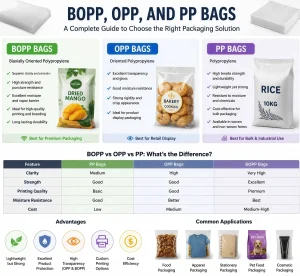
Simple Summary:
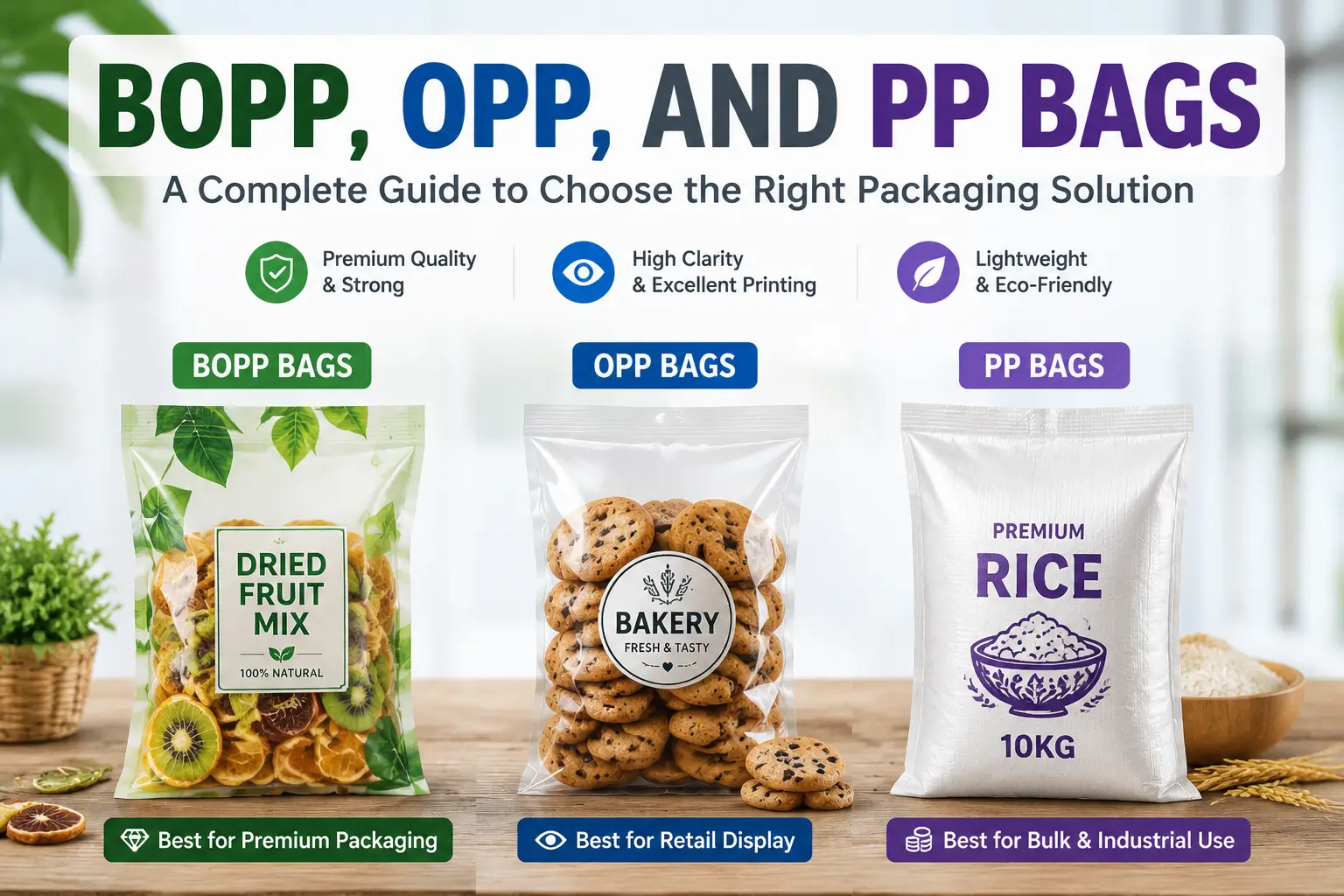
- PP bags = practical and economical
- OPP bags = clear and retail-friendly
- BOPP bags = premium, high-performance packaging
Advantages of Using These Polypropylene Bags
1. Lightweight but Strong
All three materials provide excellent strength without adding unnecessary weight, reducing shipping costs.
2. Excellent Product Protection
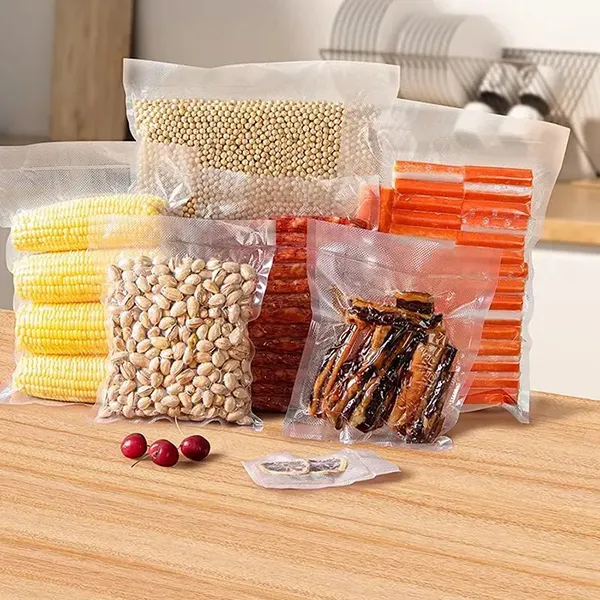
They help protect products from moisture, dust, and contamination.
3. High Transparency (OPP & BOPP)
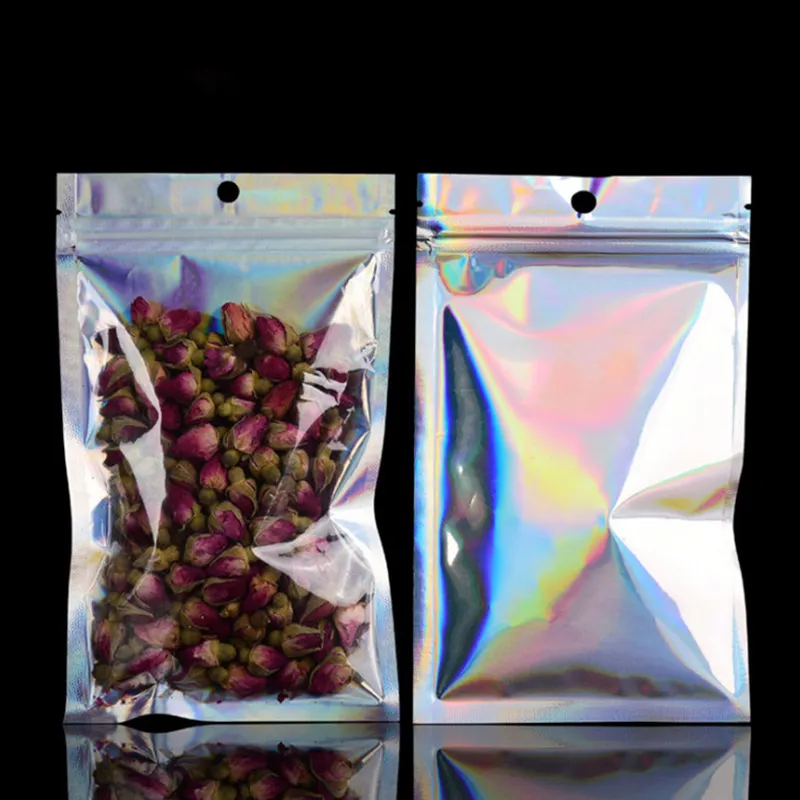
Clear packaging improves product visibility and enhances consumer trust.
4. Custom Printing Options
Especially with BOPP, brands can achieve high-quality, vibrant printing for better marketing impact.
5. Cost Efficiency
Compared to many other packaging materials, PP-based bags are highly cost-effective for large-scale production.
How to Choose the Right Bag for Your Business
When selecting between PP, OPP, and BOPP bags, consider the following:
- Budget priority: Choose PP bags
- Retail display needs: Choose OPP bags
- Premium branding & protection: Choose BOPP bags
- Food or moisture-sensitive products: Prefer BOPP for better barrier performance
Final Thoughts
Understanding the differences between BOPP, OPP, and PP bags helps businesses make smarter packaging decisions. Whether your goal is cost savings, better product visibility, or premium branding, there is a suitable polypropylene solution for every need.
If you are looking for custom packaging solutions, these materials offer flexibility in size, thickness, printing, and design—making them ideal for modern e-commerce and retail brands.