Foil pouches have become one of the most popular packaging solutions for food, coffee, supplements, pet treats, cosmetics, and pharmaceutical products. Their excellent barrier properties help protect products from moisture, oxygen, light, and contamination, significantly extending shelf life.
But how are foil pouches actually made?
In this guide, we’ll walk through the complete manufacturing process of foil pouches, from raw materials to finished packaging.
What Are Foil Pouches?
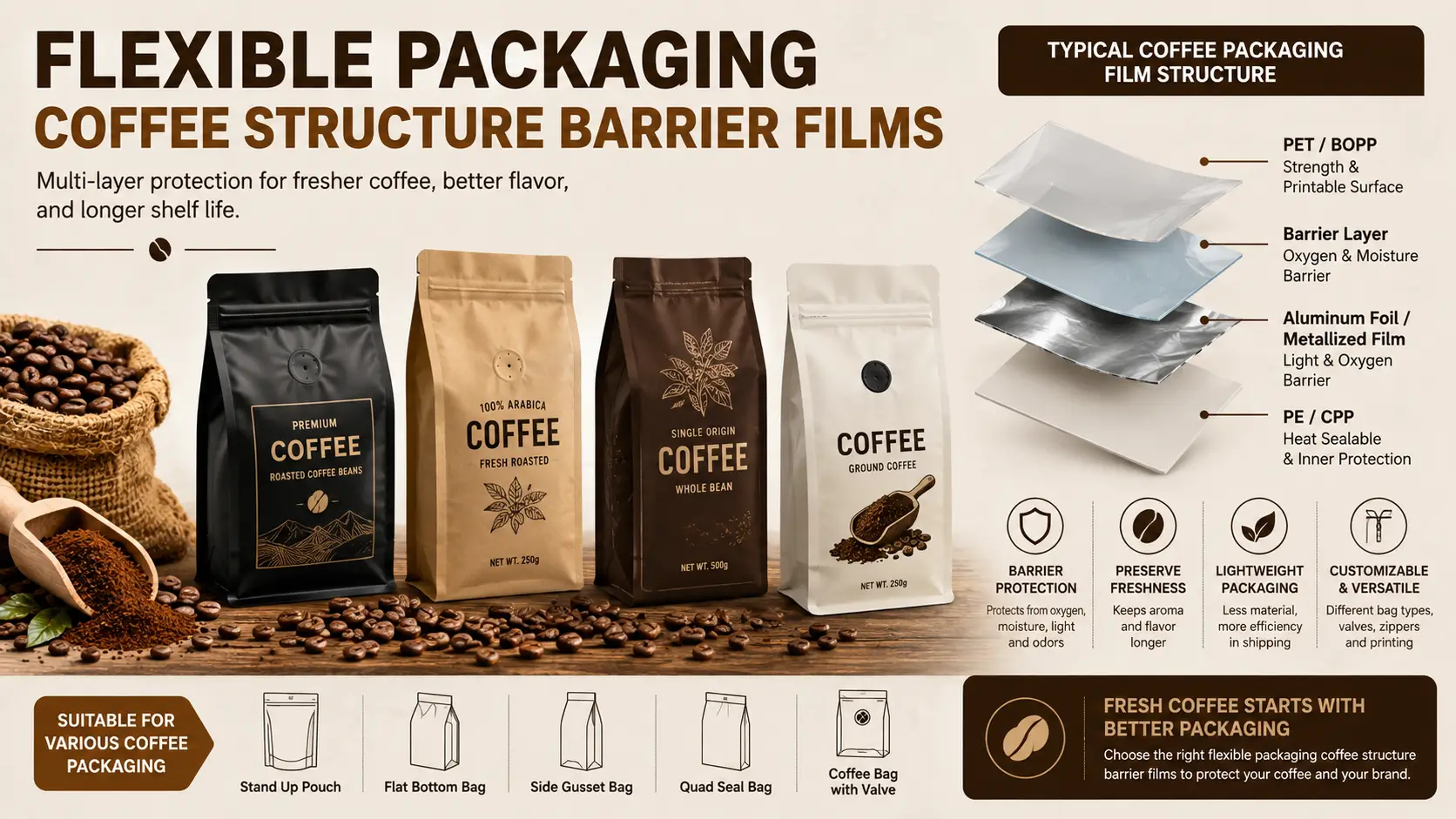
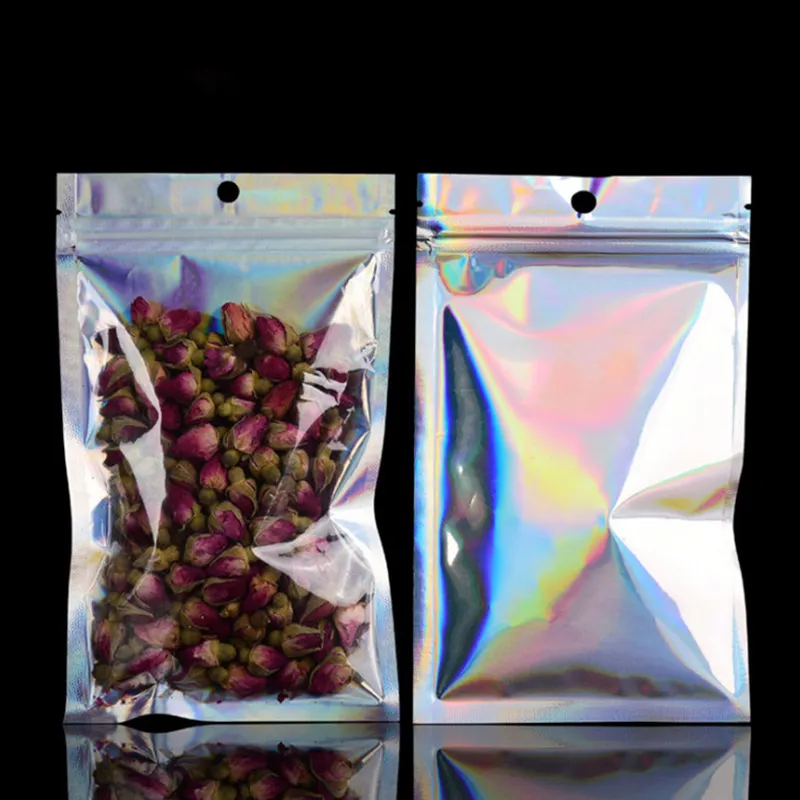
Foil pouches are flexible packaging bags made from multiple layers of materials, including aluminum foil. These layers work together to provide durability, product protection, printability, and sealing performance.
Typical foil pouch structures include:
- PET / AL / PE
- PET / VMPET / PE
- BOPP / AL / CPP
- PET / AL / NY / PE
Each layer serves a specific purpose:
- PET: Provides strength and high-quality printing.
- Aluminum Foil (AL): Creates an excellent barrier against oxygen, moisture, and light.
- PE (Polyethylene): Enables heat sealing and product protection.
- NY (Nylon): Improves puncture resistance.
Step 1: Material Selection
The manufacturing process begins with selecting the appropriate material structure based on product requirements.
Different industries require different barrier levels:
Food Packaging
High-barrier foil structures prevent spoilage and maintain freshness.
Coffee Packaging
Foil layers preserve aroma and protect coffee beans from oxygen exposure.
Supplement Packaging
Moisture-resistant materials help maintain product effectiveness.
Pet Food Packaging
Durable laminated structures prevent leaks and punctures.
Manufacturers determine the material thickness, barrier performance, and pouch style before production begins.
Step 2: Graphic Design and Printing
Once the packaging artwork is approved, the design is printed onto the outer film layer.
Common printing methods include:
Rotogravure Printing
Rotogravure printing is widely used for large production runs because it offers:
- Exceptional image quality
- Accurate color reproduction
- High-speed production
- Long-lasting printing cylinders
Digital Printing
Digital printing is ideal for:
- Small orders
- Prototype packaging
- Multiple SKU designs
- Fast turnaround projects
This stage creates the branding, product information, barcodes, and regulatory labeling that appear on the finished foil pouch.
Step 3: Lamination
After printing, the films are laminated together to create a multilayer structure.
The lamination process bonds:
- Printed outer layer
- Aluminum foil layer
- Inner sealing layer
Two common methods are used:
Solvent-Based Lamination
Solvent-Free Lamination
An environmentally friendly option that reduces emissions while maintaining strong adhesion.
The laminated rolls are then cured to ensure maximum bonding performance.
Step 4: Slitting
After curing, the large laminated rolls are slit into narrower rolls according to the pouch dimensions required by customers.
This process ensures:
- Precise pouch width
- Consistent production quality
- Efficient pouch conversion
Accurate slitting is critical because even small deviations can affect sealing performance and appearance.
Step 5: Pouch Making
The slit rolls are transferred to pouch-making machines where the final bag shape is created.
Popular foil pouch styles include:
Stand Up Pouches
Feature a bottom gusset that allows the pouch to stand upright on store shelves.
Flat Pouches
A simple and cost-effective packaging format.
Three Side Seal Pouches
Sealed on three sides and commonly used for samples and single-serve products.
Side Gusset Bags
Ideal for coffee packaging and bulk products.
Flat Bottom Pouches
Provide maximum shelf stability and premium presentation.
At this stage, machines perform:
- Folding
- Heat sealing
- Side sealing
- Bottom gusset formation
- Zipper insertion
- Tear notch creation
- Hang hole punching
Step 6: Quality Inspection
Every production batch undergoes strict quality control testing.
Manufacturers typically check:
Seal Strength
Ensures the pouch remains securely sealed during transportation and storage.
Leak Testing
Detects any pinholes or sealing defects.
Barrier Performance
Verifies protection against moisture and oxygen.
Printing Quality
Checks color accuracy, registration, and overall appearance.
Dimensional Accuracy
Confirms the pouch meets customer specifications.
Quality control helps ensure every foil pouch performs reliably in real-world conditions.
Step 7: Packaging and Shipment
After inspection, finished foil pouches are:
- Counted
- Packed into cartons
- Labeled
- Palletized
- Prepared for shipment
Manufacturers may also provide custom packaging and logistics solutions for international customers.
Benefits of Foil Pouches
Businesses choose foil pouches because they offer:
Superior Barrier Protection
Protects products from oxygen, moisture, UV light, and odors.
Lightweight Design
Reduces transportation and storage costs.
Custom Branding Opportunities
Supports high-quality printing and attractive shelf presentation.
Sustainability Improvements
Many manufacturers now offer recyclable and mono-material foil pouch alternatives.
Industries That Use Foil Pouches
Foil pouches are widely used in:
- Coffee packaging
- Snack packaging
- Frozen food packaging
- Protein powder packaging
- Pet food packaging
- Cosmetic packaging
- Pharmaceutical packaging
- Nutritional supplement packaging
Their versatility makes them suitable for both retail and industrial applications.
Final Thoughts
The manufacturing process of foil pouches involves several carefully controlled stages, including material selection, printing, lamination, slitting, pouch conversion, and quality inspection. Each step plays an essential role in ensuring the final package delivers excellent protection, durability, and visual appeal.
Whether you need custom stand up pouches, coffee bags, or high-barrier food packaging, understanding how foil pouches are made can help you choose the right packaging solution for your products and brand.
Looking for custom foil pouch manufacturing? Contact our packaging specialists today to discuss your project and request a free quotation.