In this guide, we will walk you through the complete paper bag production process, materials used, and how manufacturers create durable and eco-friendly wax paper bags and kraft paper bags.
Step 1: Selecting the Right Raw Materials
The first step in how to produce paper bags is choosing the appropriate raw materials based on the intended application.
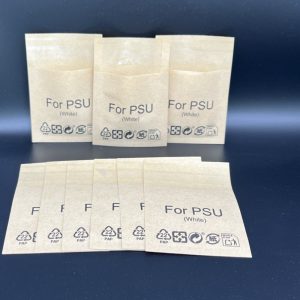
Kraft Paper Materials
Kraft paper bags are typically made from natural wood pulp, offering high strength and durability. Kraft paper is available in different thicknesses and finishes, including:
- Brown kraft paper (natural look)
- White kraft paper (clean retail appearance)
- Recycled kraft paper (eco-friendly option)
Kraft paper is widely used for:
- Apparel packaging
- Retail shopping bags
- Hotel supplies packaging
- Gift and accessory packaging
Wax Paper Materials
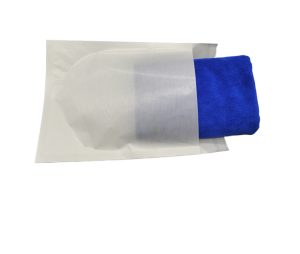
Wax paper bags are produced by applying a wax coating to paper surfaces. This coating provides excellent grease resistance and moisture protection, making wax paper ideal for:
- Food packaging
- Bakery products
- Takeaway packaging
- Tea and snack packaging
The wax layer also enhances durability while maintaining a lightweight structure.
Step 2: Paper Cutting and Sizing
After selecting the material, the next step in how to produce paper bags is cutting the paper into the correct size.
Large rolls of kraft or wax-coated paper are fed into cutting machines, where they are trimmed according to the bag dimensions. Precision cutting ensures:
- Consistent bag sizes
- Minimal material waste
- Efficient production flow
Customization options at this stage include:
- Bag width
- Height
- Gusset size
- Paper thickness
These specifications vary depending on whether the bags are used for clothing, accessories, or food products.
Step 3: Printing and Branding
Printing is a crucial stage in producing custom kraft paper bags and wax paper bags.
Manufacturers use professional printing methods such as:
- Flexographic printing
- Offset printing
- CMYK and Pantone color printing
This stage allows businesses to add:
- Brand logos
- Product information
- Marketing designs
- Eco-label messaging
High-quality printing transforms simple paper bags into powerful branding tools, especially for retail and e-commerce businesses.
Step 4: Bag Forming and Folding
Once printing is completed, the paper moves to automated bag-forming machines.
This step includes:
- Folding the paper into bag shape
- Creating side gussets
- Forming the bottom structure
- Applying adhesive for sealing
For kraft paper bags, reinforced bottoms may be added to increase load-bearing capacity.
For wax paper bags, special attention is given to maintaining the wax coating integrity during folding.
Modern automatic machines ensure:
- High production speed
- Accurate bag structure
- Reduced labor costs
Step 5: Sealing and Finishing
The sealing stage ensures that the paper bag maintains its structural strength.
Common sealing methods include:
- Bottom gluing
- Side sealing
- Self-adhesive strip application
Additional finishing features may include:
- Tear notches
- Self-adhesive closures
- Window openings
- Reinforced handles (for kraft shopping bags)
For wax paper bags, sealing methods are optimized to maintain grease resistance and leak prevention.
Step 6: Quality Inspection and Testing
Quality control is an essential part of how to produce paper bags.
Before packaging, finished bags undergo multiple inspections, including:
- Size accuracy checks
- Adhesion strength testing
- Load-bearing tests
- Printing quality inspection
For wax paper bags, additional tests may include:
- Grease resistance testing
- Moisture barrier performance
This ensures that each batch meets international packaging standards.
Step 7: Packaging and Shipping
The final step involves packing finished bags into cartons and preparing them for shipment.
Packaging typically includes:
- Standard export cartons
- Moisture-protective wrapping
- Custom packaging quantities
Efficient packaging protects the bags during transportation and ensures safe delivery to customers worldwide.
Why Choose Wax Paper Bags and Kraft Paper Bags?
Both wax paper bags and kraft paper bags offer unique advantages depending on the packaging application.
Benefits of Kraft Paper Bags
- Strong and durable structure
- Eco-friendly and recyclable
- Suitable for apparel and retail packaging
- Customizable printing options
- Professional brand presentation
Benefits of Wax Paper Bags
- Grease-resistant surface
- Moisture protection
- Ideal for food and takeaway packaging
- Lightweight and flexible
- Clean and hygienic packaging solution
These features make them popular choices for businesses seeking sustainable and reliable packaging solutions.