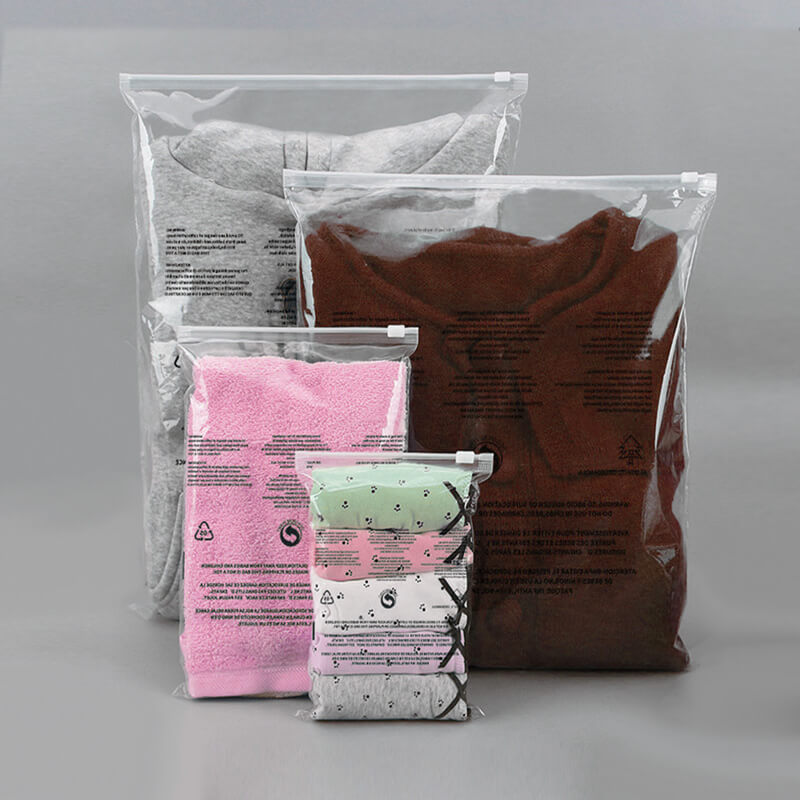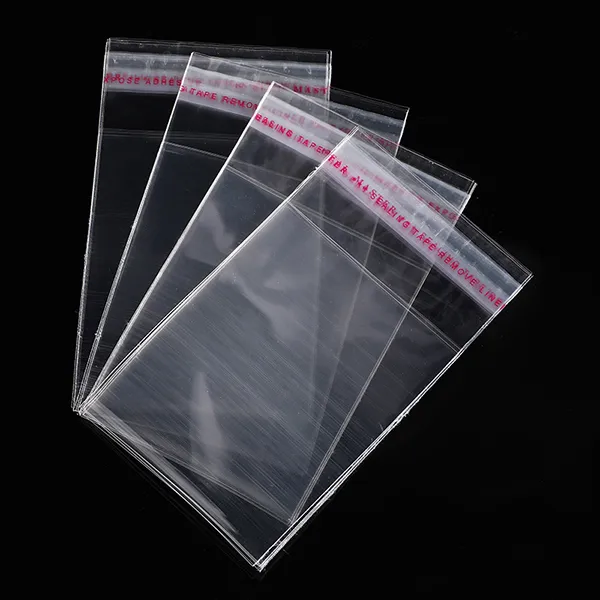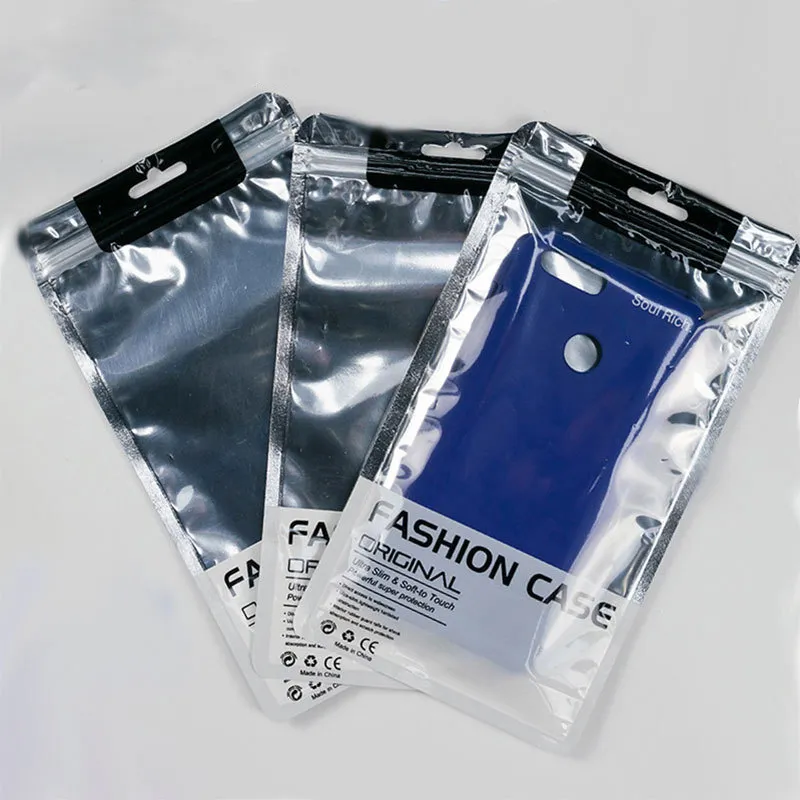
1. Polyethylene (PE) Bags: The Flexible All-Rounder
PE is the most common plastic in the world. It is known for its versatility and durability.
-
Key Characteristics: PE is highly flexible, durable, and resistant to cold temperatures.
-
Best For: Products that require a “soft touch” or need to withstand rough handling during transit.
-
Common Applications: * Apparel Packaging: Mailing bags and frosted zipper bags for clothing.
-
Industrial Parts: Heavy-duty bags for hardware and tools.
-
Grocery: Standard shopping bags and frozen food storage.
-

-
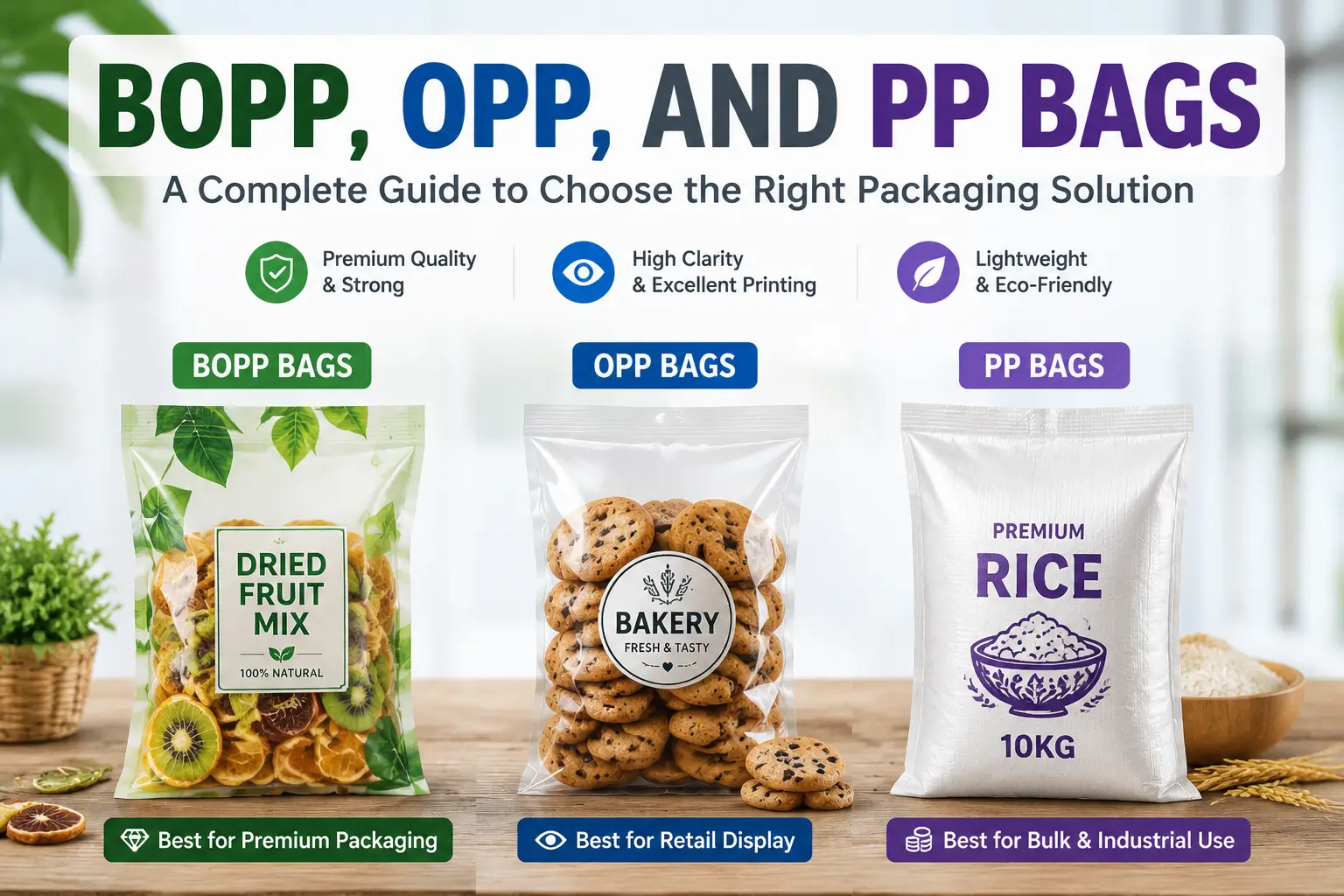
2. Polypropylene (PP) Bags: The High-Clarity Specialist
PP is a more rigid and crystal-clear polymer compared to PE.
-
Key Characteristics: Exceptional clarity (looks like glass), high heat resistance, and a crisp feel.
-
Best For: Products where visual presentation is the top priority.
-
Common Applications:
-
Electronics: Protective pouches for gadgets and accessories.
-
Confectionery: Clear bags for candies, snacks, and bakery items.
-
Stationery: Display packaging for greeting cards and art supplies.
-

-
3. Comparison at a Glance: PE vs. PP
4. Which One Should You Choose?
Choose PE Bags if:
-
You are shipping items like clothing or electronics that need impact protection.
-
You need eco-friendly options, as PE is widely recyclable.
-
Your products will be stored in cold environments.
Choose PP Bags if:
-
You want your product to “pop” on the retail shelf with maximum transparency.
-
You are packaging items that require a high-heat sealing process.
-
You want a premium, high-crackle feel for your packaging.
Conclusion
Both PE and PP offer unique advantages. For most e-commerce and non-food applications, PE bags are the go-to for durability and flexibility, while PP bags are the kings of retail display.
At DSPPACK, we specialize in both materials and can provide custom-printed solutions tailored to your specific industry. Not sure which one to pick? Our team of packaging experts is here to help.